
Archive Relocation
We record the shelf and folder order of your organization's archive in advance and move it in numbered boxes. The boxes are counted at loading and at delivery, then placed on the new shelves in the same order.
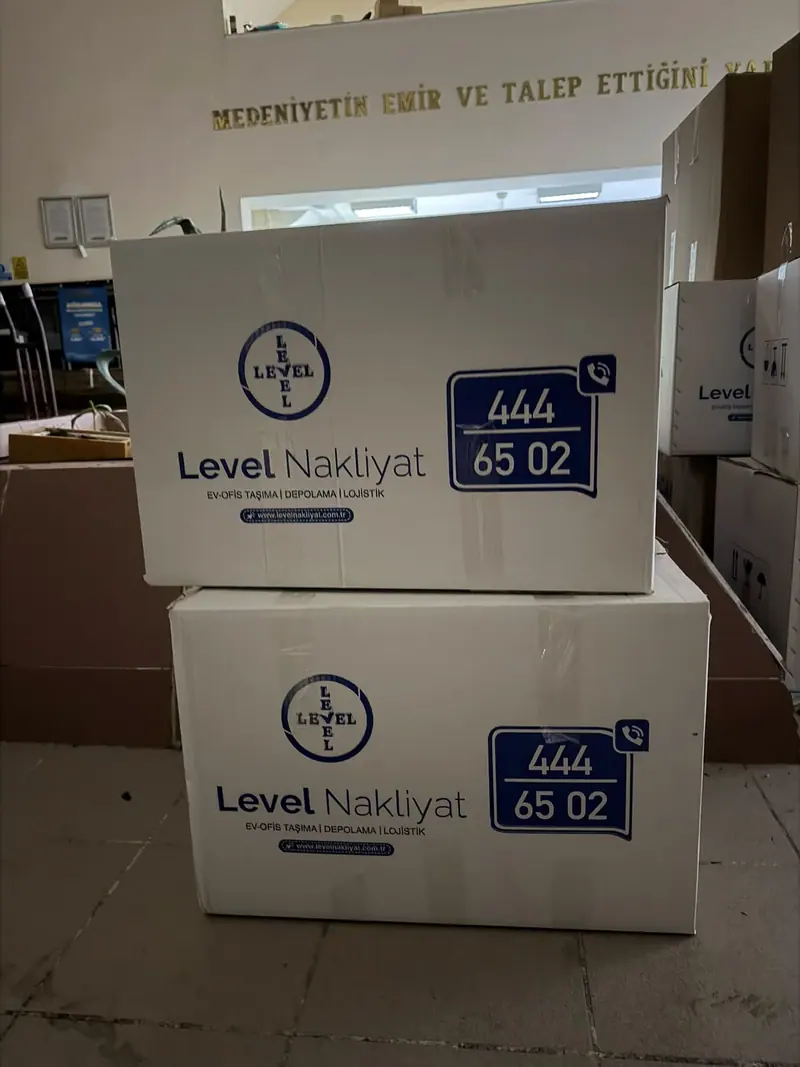
What does archive relocation include?
- Recording the shelf and folder order
- Numbered boxes labeled with shelf information
- Box counts at loading and delivery
- Placement on the new shelves in the same order
- Sealed boxes with no contents written on them
Every organization's archive room has an order that nobody has memorized but everyone relies on: the folders on the third shelf belong to accounting, and the cabinet in the corner holds former employee files. When we move an archive, this order is the first thing we protect. A single box on the wrong shelf can turn into days of searching at the new location, or even a lost document.
Before the shelves are emptied
The boxes come only after the existing order has been written down. Shelf numbers, folder order and departments are listed, and each shelf is photographed if needed. This list is our reference when we recreate the same order at the new location. We ask that one of your staff who knows the archive be with us at this stage. Your organization decides which section goes first and which goes last, and the crew works in that order.
In most archives, files that are opened often sit next to files nobody has touched in years. Many organizations find it useful to move the frequently used section first and put it into use right away at the new location, leaving the storage-only section for a second phase. Your contact person sets the priorities.
Folders are packed into boxes in shelf or section order. Each box is labeled with its own number and the shelf it came from. The contents are not written on it, and the box stays sealed. During loading, the boxes are counted one by one and checked against the list, and the same count is repeated at the delivery address. When the move is done, we can show on paper how many boxes left and how many arrived. For confidential documents, this record also helps with internal accountability.
Paper is heavy. A large box full of folders is hard to lift, and the boxes at the bottom are easily crushed. That is why we use sturdy, medium-sized boxes and don't stack them too high in the truck. Protecting the boxes from rain and moisture is written into the moving plan from the start. For old and valuable documents, we can prepare separate boxes and extra protection.
Digital backups, old recording devices, and boxes of disks and tapes also come out of the archive. We don't mix these in with the paper boxes; we move them in separate boxes with their own labels.
In the new archive room
If the shelves are already installed at the delivery address, the boxes are unpacked directly by shelf number. If the shelves are not yet installed, the boxes are lined up in numerical order and placement is completed after the shelves are assembled. If we have a sketch or shelf plan of the new space, placement goes quickly. If you would like an arrangement different from the old system, we discuss it before starting and add it to the list.
When the last box is on its shelf, we go through the list from start to finish with your organization's representative. The handover is closed with this joint check.
To draw up the plan, we will ask you for the following information:
- The number and layout of shelves or cabinets in the archive
- Which documents are confidential
- The floor and access conditions of the old and new archive spaces
- The days and times when the move can take place
- The shelf layout in the new space
The archive relocation process
- 1Recording the current order
We look at the shelf numbers, folder order and sections on site and list them.
- 2Numbered boxes
Folders go into numbered boxes in shelf order, and the list is recorded.
- 3Counted moving
Boxes are counted at loading and at delivery.
- 4Placement on the new shelves
Folders are placed on the new shelves in the same order.
Frequently asked questions
Will the contents of confidential documents be visible on the boxes?
No. Anyone looking from the outside can only read the box number and the shelf. Which box came from which section is shown on the list prepared before the move.
Will the folders go on the new shelves in the same order?
Yes. The old shelf number points to the same shelf in the new space, so nobody has to search for their folders again. If you see the move as a chance to reorganize the archive, the new order is set up using the same method.
Do we need to count the archive ourselves beforehand?
No, we do the count and the list. All we ask is that someone who knows which shelf belongs to which department is with us on the day.