
Corporate Relocation
We handle branch moves, fixture and equipment transfers and scheduled shipments for companies, stores and institutions under a written contract. Every move is scheduled in advance.

What does Corporate Relocation include?
- Branch and store moves
- Fixture and equipment transfers
- Scheduled shipment plans
- Corporate contracts and invoicing
- Storage in between if needed
Corporate relocation is the service in which we move the belongings of companies and institutions according to the organization's own schedule. These jobs involve more than one address and more than one person in charge, and they are usually invoiced. A store moving to a new address, a regional unit closing and its contents being split between two branches, and furniture and equipment going from the same warehouse to the same locations every month are all examples of this work. For each one, the crew, the vehicles and the plan are set up separately.
While the store is closed
Every hour a store stays closed is a direct cost to the business, so the measure of the job is how long it stays closed. Display and shelving systems are numbered before they are taken apart, products are logged as they go into boxes, and everything is put back in place at the new store according to the layout plan. Taking down and reassembling shelving is part of our work. If needed, we schedule the move outside business hours, overnight or on the weekend. We follow the same sequence when a branch opens or closes.
Items the business cannot do without, such as cash registers, checkout equipment, computers or production machines, are taken down last and set up first at the new location. This order is written into the plan before work begins.
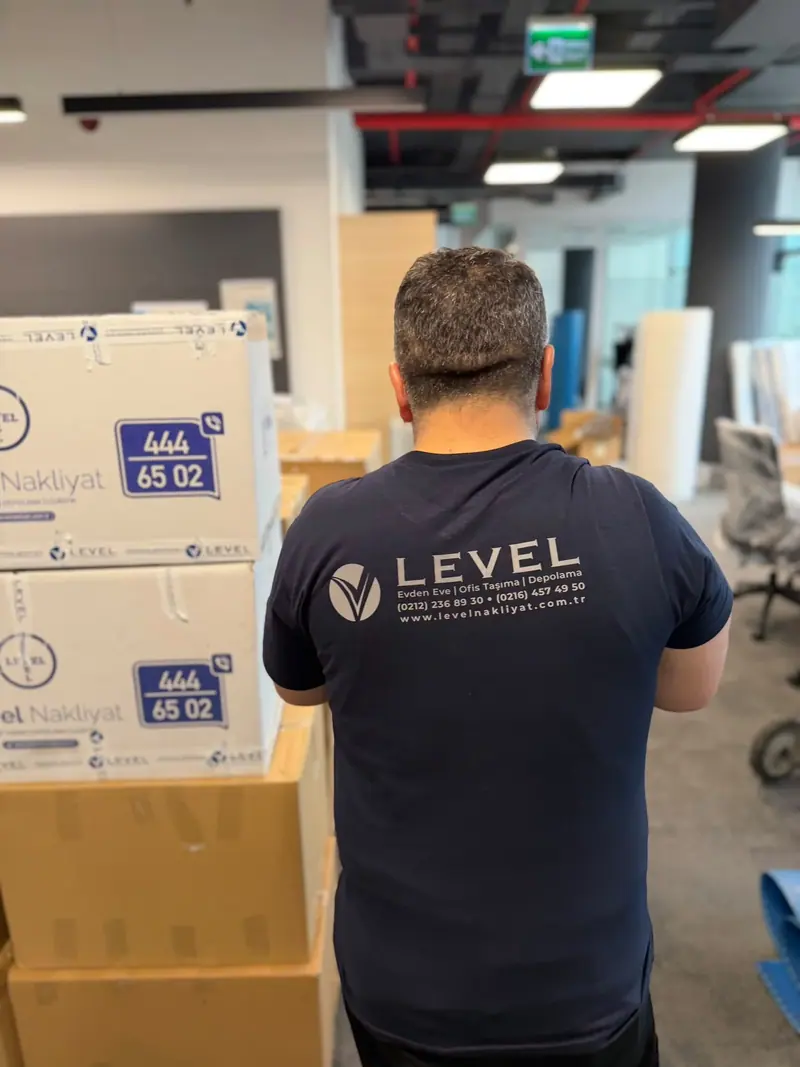
Fixtures and equipment list
Over time, companies build up furniture, devices and equipment spread across different departments. When we move these from one branch to another, to a warehouse or to a new office, we list where each item was picked up, where it was dropped off and what condition it was in. The list can be checked against your inventory and accounting records. If someone on your side stays in contact with us throughout the move, the list closes out the same way on both sides.
Insurance coverage is based on this record as well: the value of the items moved is determined from the organization's inventory records, and the coverage is stated clearly in the quote.
Scheduled shipment contract
We prepare a separate contract for organizations that need regular moves. The contract sets out the type of move, how often shipments go out, the delivery points, responsibilities and the invoicing method. You do not need to request a new quote and negotiate for every shipment; our team gets to know how your organization works and follows the same procedure each time.
At the first meeting, we ask you for the following:
- The type and scope of the move
- A list of items, fixtures and equipment, or products
- Addresses, floors and building access conditions
- Schedule, times and business-hour restrictions
- Invoicing method and type of contract
- Whether storage is needed in between
If your branches are in different cities, we can also carry out the survey remotely by video call.
Service process
- 1Request and details
We find out the type and quantity of the load and the route.
- 2Written quote
We give you the scope, price and date in writing.
- 3Packing and loading
The load is protected with packing suited to its type and loaded onto the vehicle.
- 4Delivery
The load is delivered to the address and on the date stated in the quote.
Frequently asked questions
Can we sign an ongoing contract with you?
Yes. Before drawing up the contract, we ask you about the type of moves, the addresses, the schedule and whether storage is needed in between. Once these are clear, every shipment runs on the same terms.
Can the time our store stays closed be shortened?
Yes. Because the shelving is numbered as it is taken apart, it can be set up in order at the new store without delay. The move itself can also be scheduled for hours when the store is already closed.
How do we keep track of where our fixtures and equipment go?
Through an item-by-item list. It shows which branch even a single chair left from and where it was dropped off, and your accounting team can update its records from the same list.
How is invoicing handled?
The invoicing method is set out in the corporate contract from the start and is based on how your organization works.