
University and School Relocation
In campus and school moves, we relocate classroom, administrative office, library and laboratory contents around the academic calendar. The work is divided by unit and spread across the breaks.
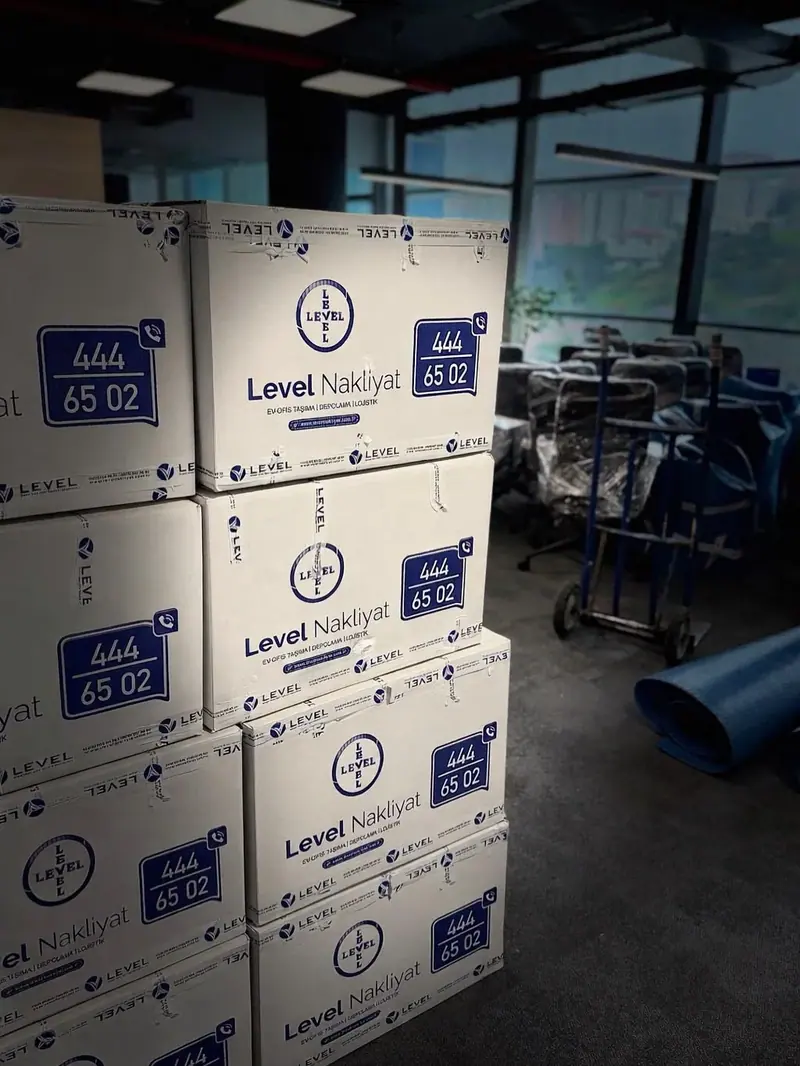
What does University and School Relocation include?
- Classroom and administrative office moves
- Library shelving and book moves
- Separate packing for laboratory equipment
- Planning around school breaks
- Numbered boxes and labels by unit
Inside a school building there are several separate moves at once: classrooms with desks and boards, administrative offices with cabinets and files, the library with shelf after shelf of books, the laboratory with glassware and instruments. Some buildings also have a dormitory or a dining hall. Each one is moved differently and on its own schedule; we divide the work by these units and fit it into the flow of the academic year.
A schedule that fits the breaks
A building can't be emptied in the middle of a term; the summer break and mid-year breaks are the times used for moving. Together with the institution, we set a schedule for which unit moves on which day and at what time. The schedule is built backward from the start of term: since classrooms and administrative units must be ready when school opens, they come last and the other units are moved earlier. The more flexible the institution is on dates, the more comfortably we can spread out the stages.
During the survey, we sort the contents into these groups:
- Classroom furniture such as desks, chairs and cabinets
- Computers and projectors
- Library shelving and books
- Laboratory instruments and glassware
- Administrative offices and archives
- Gym and workshop equipment
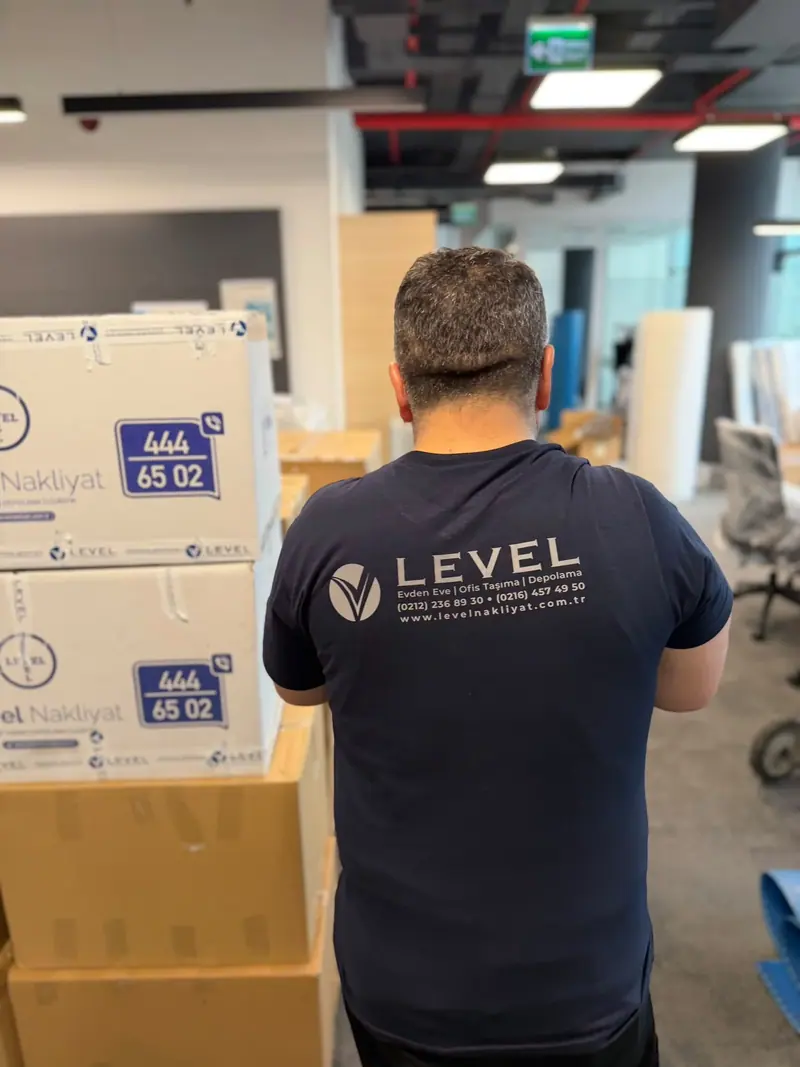
Classrooms and administrative offices
Classroom furniture is bulky, but most of it is identical. We count and number the desks, chairs, boards and teachers' desks and place them in the corresponding classroom in the new building. For administrative units, we use our office relocation method: every desk and cabinet is numbered and the contents of every box are recorded. Computers and projectors are packed separately.
The gym, workshop and music room come with their own equipment. We check the dimensions and weights of these items in advance and, if needed, assign a separate truck and crew to them.
Library and laboratory
If the shelf order in a library is lost, people spend months looking for books in the new building. We pack the books into numbered boxes by shelf order and arrange them in the same order in the new library. Because books are heavy, the boxes are kept small.
The laboratory is a separate job. Sensitive instruments and glassware get their own packing and are loaded apart from everything else. How chemicals are transported depends on the relevant regulations and the institution's own procedures; we prepare this plan with the institution's laboratory manager and work alongside them throughout the move.
If several buildings, floors or departments on a campus are moving, each unit's boxes are labeled with a separate color or code and left at that department's door in the new building. The floor plan we receive from the institution shows which unit goes to which floor. We can draw up a single moving plan with separate schedules for each building.
How a campus move works
- 1Sorting by unit
During the survey, we sort classroom, administrative office, library and laboratory contents into separate groups.
- 2A schedule around the breaks
Together with the institution, we set a schedule for which unit moves on which day.
- 3Packing by group
Books, instruments and glassware are protected with their own packing.
- 4Set up for the start of term
Classrooms and administrative units are set up in place before the term begins.
Frequently asked questions
Can we split the move across term breaks?
Yes. We can split the work, for example moving a unit such as the library or a laboratory during the mid-year break and the classrooms over the summer.
How do you move laboratory equipment?
As a separate job from the rest of the school's contents: instruments and glassware never share a box or a load with other items. If there are chemicals, how they are transported is set by the regulations and your own procedures, and we follow them.
Will the order of the library books be disturbed?
No. Each box number corresponds to a shelf; in the new library the shelves are filled in numerical order, so readers find a book in the spot that matches its old location.
Can you make a single plan for several buildings?
Yes, we can. Each building's boxes carry their own color or code, so even if the contents of two buildings leave on the same day, they don't get mixed up.