
From plates to TVs: packing fragile items
Choosing materials and packing methods so glass, porcelain and electronics go into boxes without breaking.
November 12, 2026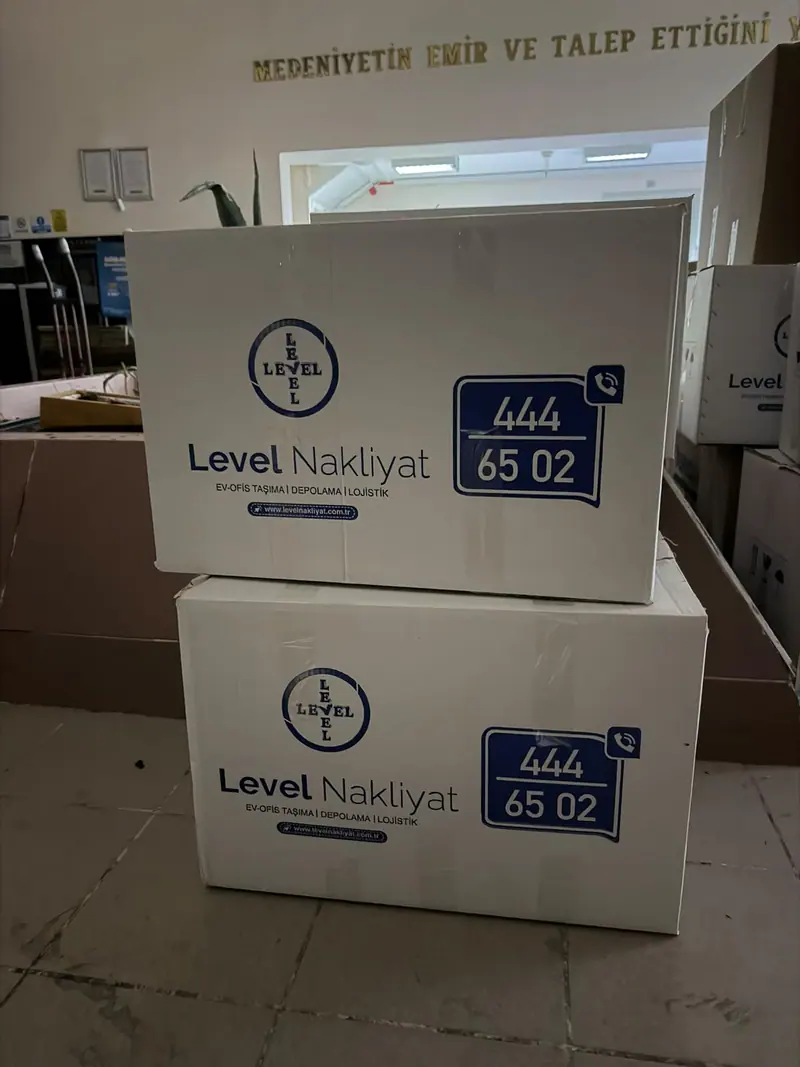
Most items that break during a move are damaged inside the box: either there was empty space left inside, or a heavy item was placed on top of a light one. The right materials and a few good habits reduce this risk considerably.
Use sturdy boxes, ideally all the same size, and do not reuse a box that has gotten wet or crushed. Wrap fragile items in bubble wrap and plain packing paper; leave newspaper out of it. For furniture, blankets and stretch film are enough.
Plates, glasses, glassware and screens
Stand plates upright in the box with paper between them. Stuff the inside of each glass with paper and wrap each one separately. Fill the box to the top, and close any remaining gaps with crumpled paper so nothing shifts inside once the lid is closed.
If you still have the original box for an electronic device, use it. Label the cables together with the device and put them in the same box, so you will not have to figure out which cable goes where in your new home.
When closing a box
Write on each box which room it goes to and what is inside. Add "Fragile" and "This side up" notes to boxes with fragile items. When stacking, put heavy boxes at the bottom and glass and porcelain boxes on top. At unloading, the crew takes each box straight to the right room.
If you would rather leave all the packing to our crew, you can use our packing service.